
Large Pores
Large pores often become more noticeable with age, sun exposure, or excess oil, and addressing them takes an informed, ongoing approach rather than a single fix.
Treatments for large pores
Which of these suits you is determined at a consultation.


About this
Large pores show up when oil production, sun exposure, or a natural drop in skin elasticity cause the openings around hair follicles to stretch and stay visible. Genetics plays a role too. Some people notice them most across the nose and cheeks, where oil glands are more concentrated.
People usually start looking into this when makeup sits differently than it used to, skin texture feels uneven to the touch, or photos in daylight show more detail than they'd like. It's a common concern, not a sign that something is wrong with your skin.
Several approaches can address the appearance of enlarged pores, and what makes sense depends on your skin type, history, and goals. A consultation at KC Skin & Wellness is the place to go over your options and figure out what's realistic for your skin. Individual results vary, and a consultation is required to determine whether a treatment is appropriate for you.
What contributes
Genetics play the biggest role in pore size. If your parents have visibly large pores, you're more likely to have them too, especially in the T-zone (forehead, nose, and chin).
Excess oil production also widens the look of pores. Oil and dead skin cells build up inside the pore, stretching its opening and making it more noticeable.
Sun damage breaks down collagen around the pores over time. Without that structural support, pores lose their elasticity and appear larger and more open.
Aging has a similar effect. Skin naturally produces less collagen as the years pass, and pores can look more pronounced as a result.
A few other factors commonly come up:
- Clogged pores from makeup, dead skin buildup, or infrequent exfoliation - Skin texture changes from past breakouts or acne scarring
Causes vary from person to person, and often more than one factor is involved. A consultation at KC Skin & Wellness is the best way to talk through what's contributing to your skin's texture and which treatment options make sense for you.
Approaches
Large pores often respond to treatments that work on skin texture at different depths, and KC Skin & Wellness offers several ways to approach them.
Laser skin resurfacing uses targeted light energy to work on the skin's surface layer, which tends to appeal to clients focused on overall texture and tone along with pore appearance.
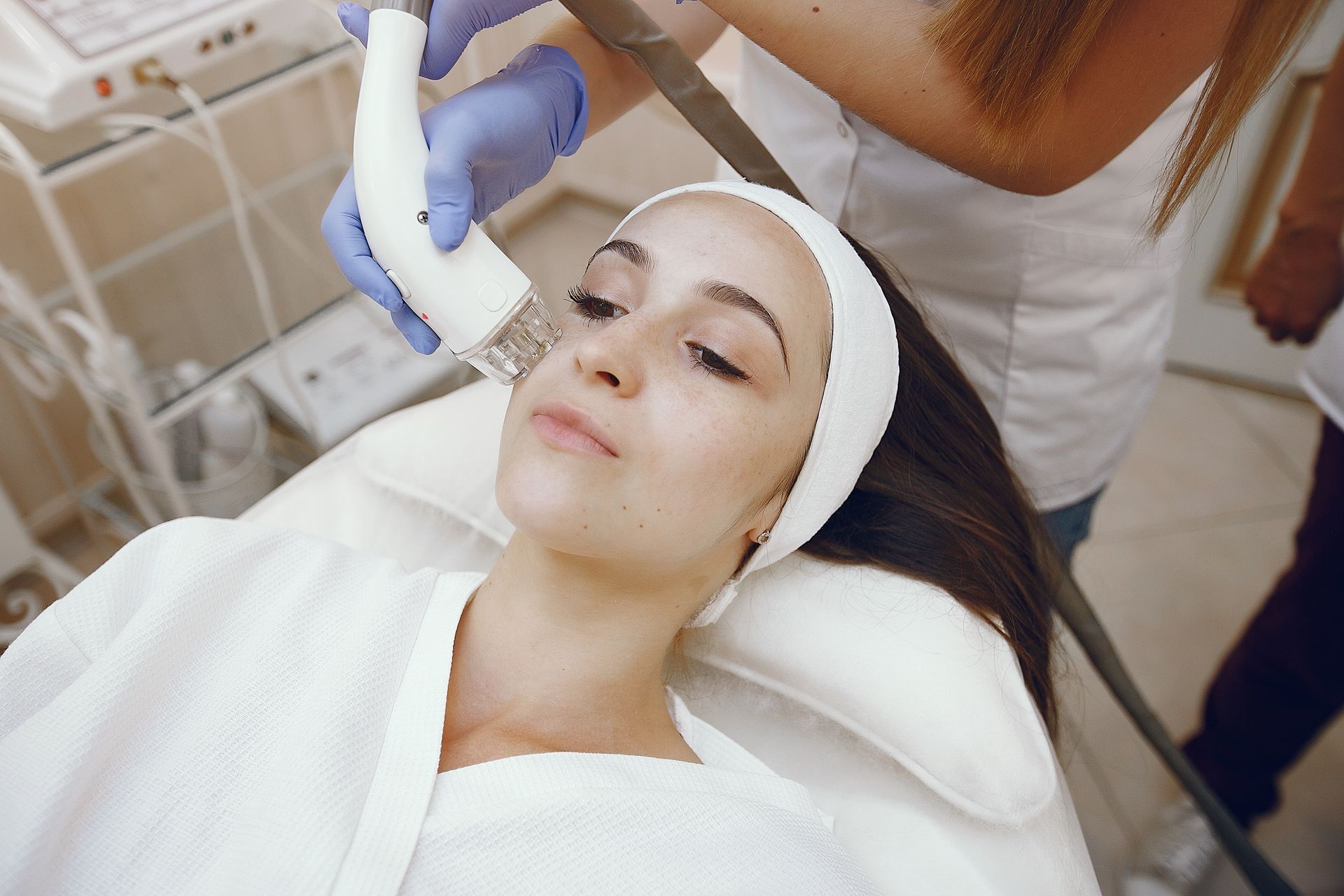
Fractional RF skin resurfacing and tightening combines radiofrequency energy with a fractional delivery method, reaching deeper into the skin than surface-level options. This approach often suits clients who want to address pore appearance and skin laxity at the same time.
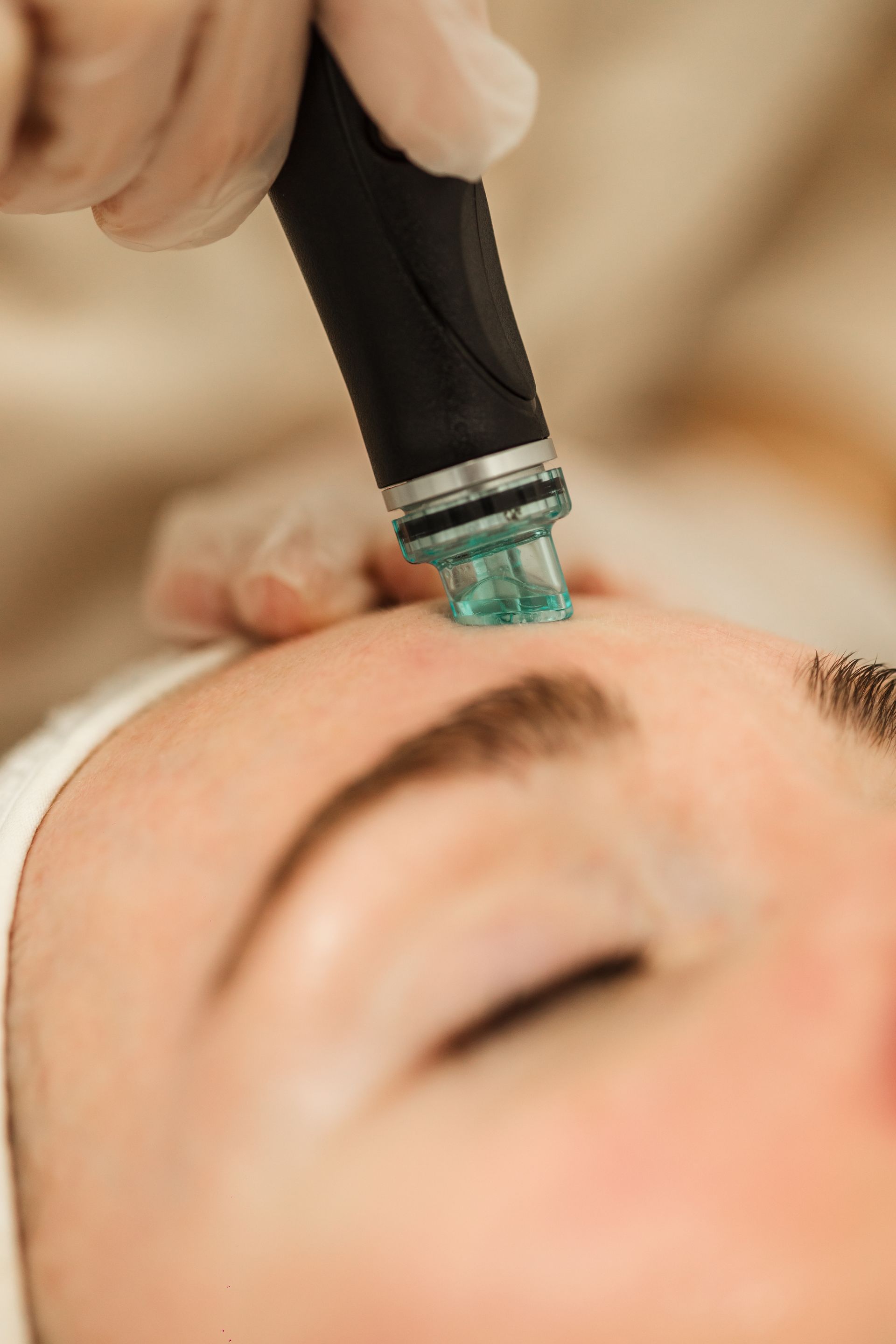
Microneedling creates controlled micro-injuries that prompt the skin's natural repair process. It's a common choice for clients looking for a treatment with minimal downtime compared to more intensive resurfacing options.
Hydrafacial MD cleanses, extracts, and hydrates the skin in one session. Clients who want a gentler, more maintenance-style treatment often gravitate toward this option.
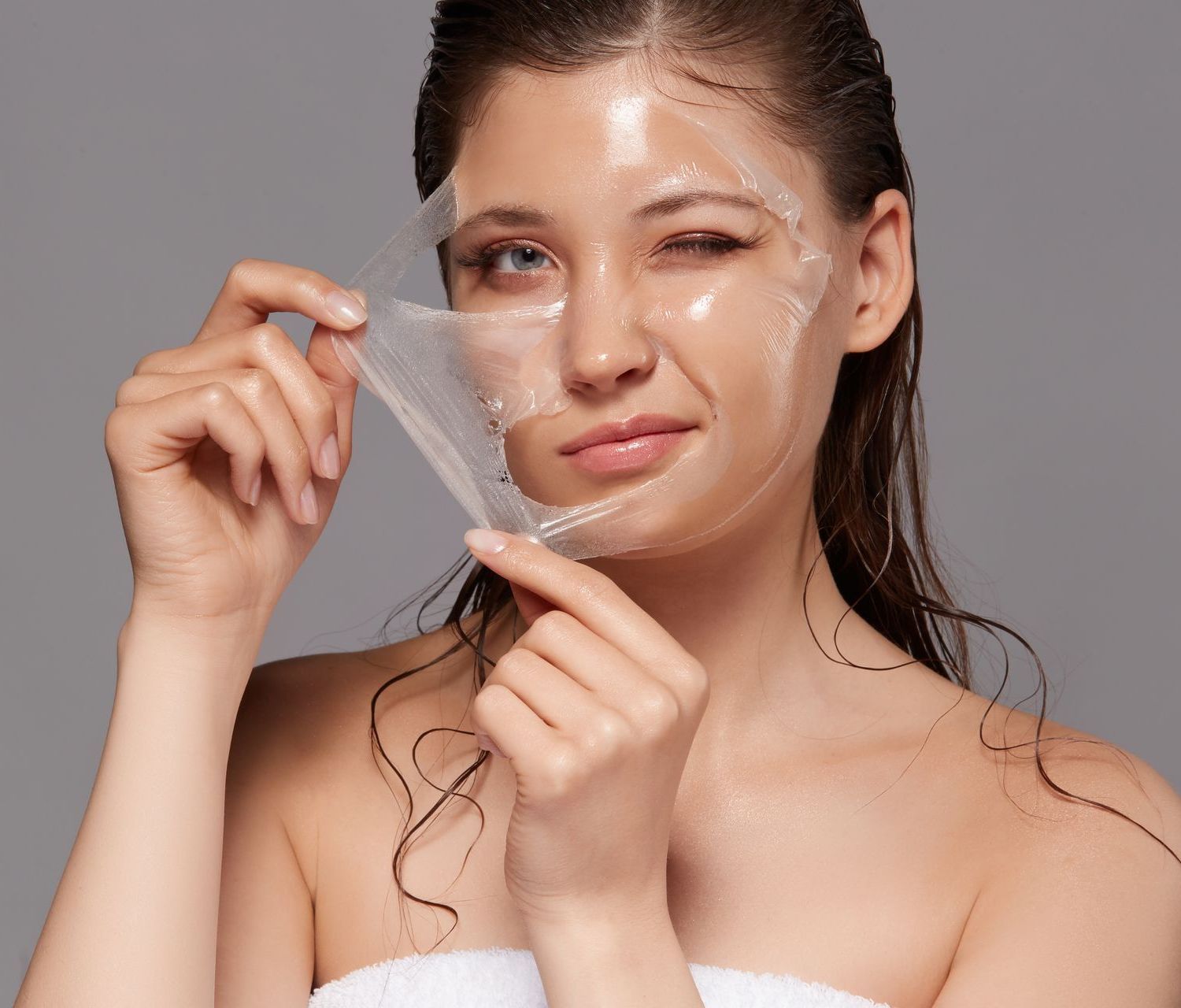
Chemical treatments and peels use solutions to exfoliate the outer layers of skin, encouraging renewal. Peels come in different strengths, so they can fit a range of skin concerns and tolerance levels.
These treatments differ mainly in depth of action and downtime: some work on the surface, others reach deeper layers, and recovery time varies accordingly. Individual results vary from person to person.
The right fit depends on skin type, goals, and medical history. A consultation at KC Skin & Wellness is the next step to determine which treatment, or combination, makes sense for you.
Questions
Can large pores actually be improved, or is this just how my skin is?
Pore appearance can respond to treatment, though results vary from person to person. KC Skin & Wellness offers options like microneedling, chemical peels, and laser or RF resurfacing that target skin texture and tone. A consultation is required to determine which approach fits your skin and goals.
What's the difference between microneedling and a chemical peel for pores?
Microneedling creates tiny channels in the skin to stimulate collagen, while chemical peels use solutions to exfoliate the surface layer. Both address texture and pore appearance in different ways. KC Skin & Wellness can review your skin during a consultation to discuss which option may suit you.
What does a first visit for large pores look like?
A first visit starts with a consultation where staff examine your skin and talk through your concerns and history. From there, they can walk through treatment options such as Hydrafacial MD, resurfacing, or peels. Suitability for any specific treatment is determined during this visit.
How do I know if laser resurfacing or RF treatment is the right choice for me?
The right option depends on your skin type, concerns, and goals, which is why KC Skin & Wellness evaluates each client individually. Factors like skin sensitivity and desired outcome play a role in this decision. A consultation is required to determine whether laser or RF treatment is appropriate for you.
How many sessions does it usually take to see a difference?
The number of sessions needed depends on the treatment chosen and your individual skin. Options like microneedling, peels, and resurfacing are often approached as a series rather than a single visit. Your provider can outline a plan during your consultation at KC Skin & Wellness in Kansas City.